Uncategorized
The Ultimate Guide to Smoking Brisket on a Barrel Smoker
The Ultimate Guide to Smoking Brisket on a Barrel Smoker
Smoking brisket is considered one of the greatest achievements in barbecue. When cooked properly on a quality barrel smoker, brisket develops a flavorful bark, a beautiful smoke ring, and tender slices that are packed with authentic wood-fired flavor.
Although brisket requires patience and attention, the results are well worth the effort. Maintaining steady temperatures, choosing quality fuel, and allowing enough cooking time are the keys to success.
Whether you’re using a 55 Gallon Single Barrel Smoker or a Double Barrel Offset Smoker, this complete guide walks you through every step of the process. From selecting the right cut of meat to slicing and serving, you’ll learn how to smoke brisket with confidence and enjoy outstanding backyard barbecue.
What Makes Brisket Perfect for a Barrel Smoker?
Choosing the Right Brisket
Essential Equipment
Preparing Your Brisket
Best Wood for Smoking Brisket
Setting Up Your Barrel Smoker
Maintaining the Perfect Temperature
How Long Does It Take to Smoke a Brisket?
When to Wrap Your Brisket
Checking for Doneness
Resting Your Brisket
How to Slice Brisket Correctly
Common Brisket Smoking Mistakes
Frequently Asked Questions
Final Thoughts
Why Brisket Is Perfect for a Barrel Smoker
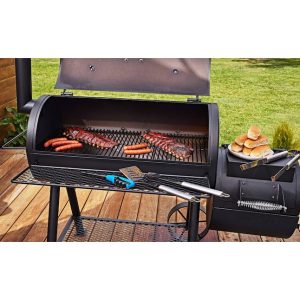
Barrel smokers are designed for low-and-slow cooking, making them one of the best choices for preparing brisket. Their spacious cooking chamber and steady airflow allow heat and smoke to circulate evenly around the meat, helping create a tender texture and rich smoky flavor.
Cooking brisket over charcoal and hardwood also produces the deep barbecue taste that traditional pitmasters strive to achieve. With proper temperature control and quality fuel, a barrel smoker consistently delivers exceptional results.
Choosing the Right Brisket
Selecting a quality brisket is the first step toward outstanding barbecue. Look for a brisket with good marbling, a flexible flat section, and a thick point. USDA Choice and USDA Prime briskets generally provide better tenderness because of their higher fat content.
A whole packer brisket includes both the flat and point muscles and is ideal for long smoking sessions. Smaller briskets cook faster but may require extra attention to prevent drying out.
Preparing the Brisket
Trim excess fat while leaving about one-quarter inch on the fat cap to help protect the meat during cooking. Apply your favorite barbecue rub generously on all sides. Many pitmasters keep seasoning simple by using coarse salt, black pepper, garlic powder, and paprika.
Allow the brisket to rest for 30 to 60 minutes before placing it on the smoker so the seasoning can begin to adhere to the meat.
Best Wood for Smoking Brisket
Oak remains one of the most popular woods for brisket because it burns steadily and produces a balanced smoke flavor. Hickory creates a stronger, richer taste, while pecan offers a slightly sweeter profile. Cherry adds beautiful color to the bark, and apple wood provides a mild smoke that pairs well with beef.
Many barbecue enthusiasts combine lump charcoal with hardwood chunks to maintain consistent heat while adding authentic smoke flavor.
Setting Up Your Barrel Smoker
Start by lighting quality lump charcoal and adding your preferred hardwood. Allow the smoker to stabilize before placing the brisket inside. Maintaining consistent airflow through properly adjusted vents helps keep temperatures steady throughout the cooking process.
Avoid opening the lid unnecessarily, as each opening releases heat and extends cooking time.
Maintaining the Perfect Temperature
Successful brisket depends on steady temperatures rather than frequent adjustments. Monitor your smoker regularly and make small airflow changes when necessary. Adding fuel before temperatures drop significantly helps maintain consistent cooking conditions and cleaner smoke.
When Is the Brisket Ready?
Brisket is finished when it becomes tender throughout the thickest portion. Instead of relying only on time, check that the meat feels soft when tested with a probe or skewer. After removing it from the smoker, allow the brisket to rest before slicing to help retain its juices.
Serving Your Smoked Brisket
Slice the brisket across the grain using a sharp slicing knife. Serve with traditional barbecue sides such as baked beans, coleslaw, potato salad, grilled corn, or smoked vegetables. Leftover brisket also makes excellent sandwiches, tacos, and loaded baked potatoes.
Common Mistakes to Avoid
• Opening the smoker too often
• Using green or wet wood
• Allowing temperatures to fluctuate dramatically
• Trimming away all the fat
• Skipping the resting period
• Using poor-quality fuel
• Slicing the brisket with the grain
Avoiding these mistakes improves both tenderness and flavor.
Frequently Asked Questions
### Can beginners smoke brisket successfully?
Yes. With patience, proper temperature control, and quality equipment, beginners can achieve excellent results.
### Which wood is best for brisket?
Oak, hickory, pecan, cherry, and apple are all popular choices depending on the flavor profile you prefer.
### Can I use charcoal only?
Yes. Charcoal works well by itself, but adding hardwood chunks enhances smoke flavor.
### Should I trim the fat?
Yes. Remove excess fat while leaving a thin layer to protect the meat during cooking.
### Why should brisket rest before slicing?
Resting allows the juices to redistribute throughout the meat, helping produce moist, tender slices.
Final Thoughts
Smoking brisket on a barrel smoker is a rewarding experience that combines patience, quality equipment, and traditional barbecue techniques. By selecting a good brisket, maintaining consistent temperatures, using quality charcoal and hardwood, and allowing the meat to rest before serving, you can produce barbecue that family and friends will remember.
Whether you’re preparing your first brisket or refining your skills, a heavy-duty barrel smoker provides the space, heat control, and durability needed to create authentic wood-fired barbecue for years to come.